



Botrytis
Botrytis cinerea is a destructive necrotrophic fungus responsible for gray mold (Botrytis blight) across more than 1,400 plant species, affecting a wide range of economically important fruits, vegetables, and ornamental crops.
Affected crops:
Favorable:
15–23 °C · > 90% RH
Season:
Cool, humid periods
Identification & symptoms
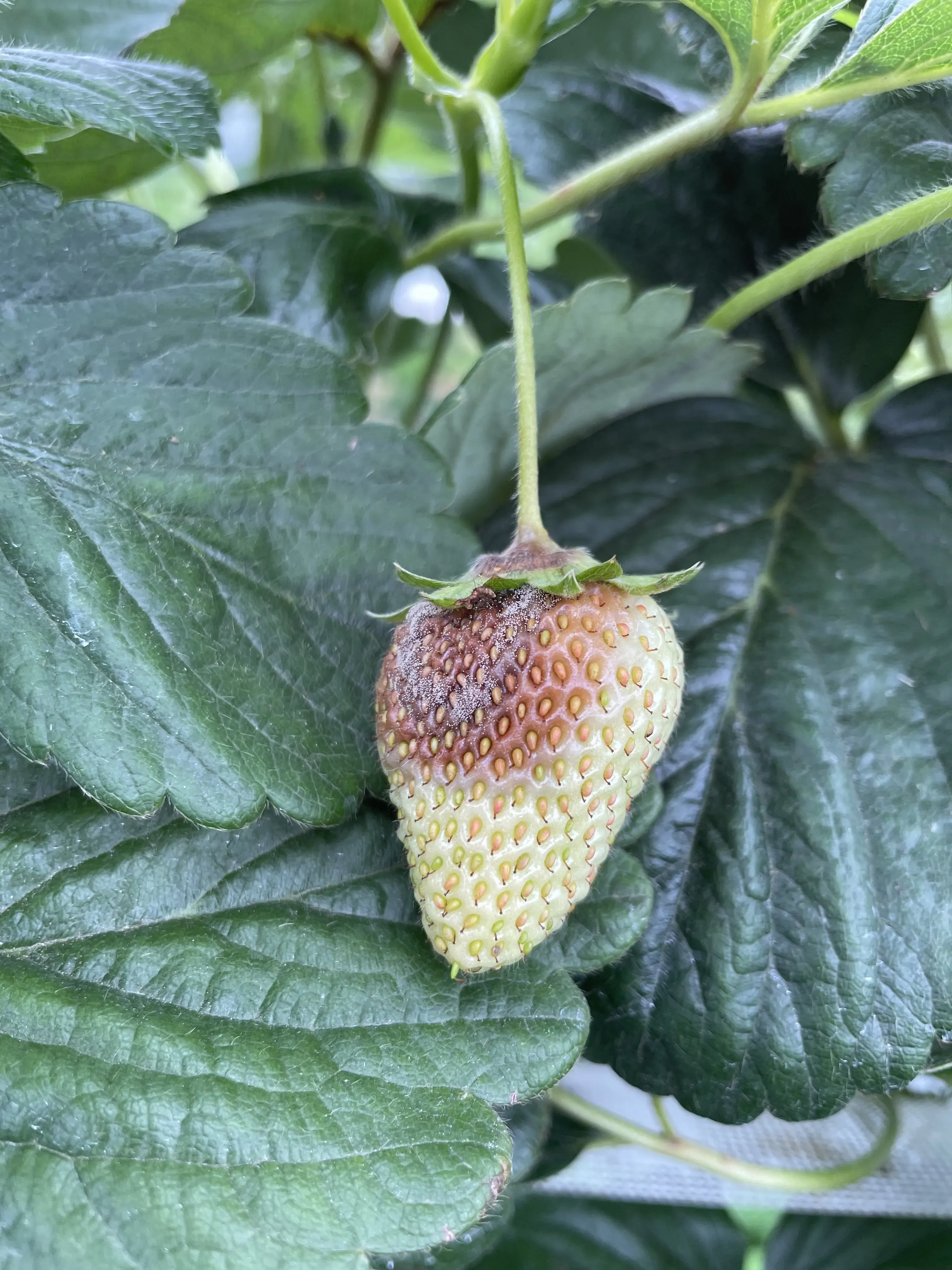
General signs include water-soaked lesions that quickly develop a characteristic fuzzy, gray-brown mold (mycelium and spores) on affected tissue, along with soft rot and tissue collapse under humid conditions.
- Tomato: Tan-to-brown lesions and stem cankers, often developing at wounds or pruning scars, may girdle stems and cause wilting. Symptoms also include blossom blight with characteristic gray sporulation on senescing flower tissues, soft whitish fruit rot, and ghost spots; small white halos or rings on green fruit resulting from aborted infections.
- Strawberry: Soft, brown rot commonly develops at the calyx or stem end and at points of contact between fruit, spreading rapidly across green and ripe berries. Infected fruit becomes covered with characteristic gray, fuzzy sporulation and may eventually dry and mummify. Flower infections can also occur and serve as important sources of infection for developing fruit.
- Bell Pepper: Water-soaked lesions can develop on petals, leaves, stems, and fruit, often beginning at wounds or around the calyx. Lesions enlarge and become tan to brown, with infected fruit developing soft brown-to-gray rot and characteristic gray, powdery sporulation under humid conditions. Stem infections can girdle tissues and lead to wilting or plant death, while fruit decay may continue during storage.
- Raspberry: Gray mold develops on ripening and ripe fruit, causing soft decay and gray, fuzzy sporulation; infected berries may dry and mummify. Botrytis cinerea can also infect flowers and primocanes, causing blossom blight and pale-brown cane lesions. On mature-to-senescent leaves, characteristic wedge-shaped chestnut-brown lesions may extend to the nodes and give rise to pale-brown, spreading lesions on the canes.
- Cucumber: Soft, water-soaked rot commonly begins at the blossom end, often developing from senescent flower tissue or retained petals attached to the fruit. The rot can spread rapidly through the fruit, with characteristic gray, fuzzy sporulation developing under humid conditions; Botrytis cinerea may also cause wet stem lesions, particularly around wounds or senescent tissues.
Life cycle
- Survival: Survives mainly as mycelium in infected plant debris and as sclerotia, which can persist under unfavourable conditions.
- Spore production: Under favourable conditions, mycelium and sclerotia produce conidiophores bearing abundant conidia, the main asexual inoculum.
- Dispersal: Conidia are dispersed primarily by air currents and can also be spread by water splash, plant contact, and handling.
- Germination & infection: Conidia germinate when sufficient moisture is available and infect through wounds, natural openings, senescent tissues, and flowers.
- Colonisation: The fungus colonises susceptible tissues and produces new conidia on infected tissue, often forming the characteristic gray sporulation.
- Secondary cycles: Repeated asexual infection cycles can occur throughout the growing season when temperature and moisture conditions are favourable.
- Latent infections: In some crops, infections acquired during flowering can remain latent or symptomless until fruit ripening, senescence, or post-harvest conditions favour disease development.
- Sexual stage: The sexual stage, producing apothecia and ascospores, is uncommon under natural field conditions.
Favorable conditions
- Temperature: Cool to moderate temperatures, approximately 15–23°C.
- Humidity: High relative humidity (>90%) and prolonged leaf or tissue wetness strongly favour infection and sporulation.
- Free moisture: Water on plant surfaces promotes conidial germination and infection.
- Air circulation: Poor ventilation and restricted airflow increase humidity and prolong surface wetness.
- Crop density: Dense canopies and closely packed plants create a humid microclimate favourable to disease development.
- Plant condition: Wounded, damaged, senescent, or dying tissues are particularly susceptible to infection.
Diagnosis
- Look for characteristic signs: Soft, water-soaked or brown lesions with dense, gray, fuzzy sporulation are strongly indicative of B. cinerea.
- Inspect infection sites: Examine wounds, pruning scars, senescing leaves and flowers, and damaged fruit for early lesions and sporulation.
- Check moisture conditions: High relative humidity, condensation, and prolonged tissue wetness strongly favour infection and sporulation.
- Inspect after humid periods: Pay particular attention following prolonged wetness or condensation, when symptoms and sporulation may become more apparent.
- Prune when dry: Where pruning is necessary, work under dry conditions and allow fresh wounds to dry quickly.
- Monitor pruning wounds: Recheck recently pruned areas for developing lesions and gray sporulation.
- Confirm uncertain cases: When symptoms are ambiguous, use microscopic or molecular identification to confirm B. cinerea.
Prevention & treatment
Antagonists such as Trichoderma, Gliocladium, and Bacillus colonise wounds and compete with the pathogen; wound protection and humidity control do the heavy lifting.
Pros:
- Protects wounds without residues or re-entry intervals.
- Works with climate steering as part of an IPM stack.
Cons:
- Preventive — cannot rescue an active rot.
- Efficacy depends on timing and coverage of wounds.
Fungicides: Botrytis-active fungicides include fenhexamid (FRAC 17), boscalid and other SDHIs (FRAC 7), cyprodinil and pyrimethanil (FRAC 9), and fludioxonil (FRAC 12). They are generally most effective when applied preventively or at the earliest stages of infection, according to the crop and product label. Protectant fungicides: Multi-site protectants such as captan can provide preventive protection and generally have a lower resistance risk than single-site fungicides, although reduced sensitivity to captan has been reported. Resistance management: B. cinerea has a high capacity for developing resistance, and resistance to multiple fungicide groups is widespread in some production systems. Rotate or alternate fungicides with different modes of action, avoid repeated applications of the same FRAC group, limit the total number of applications, and follow current FRAC and local label recommendations.
Pros:
- Rapid and effective disease suppression when the pathogen population is sensitive.
- Can provide reliable protection when correctly timed and integrated with other management measures.
- Multiple FRAC groups provide options for resistance-management programmes.
Cons:
- Fungicide resistance is widespread in B. cinerea populations and can substantially reduce efficacy.
- Repeated applications increase production costs and may contribute to residue and environmental concerns.
- Effectiveness and application timing are constrained by crop-specific labels, maximum applications, and pre-harvest intervals.
- Reliance on fungicides alone can accelerate resistance development, making integrated disease management essential.
How we monitor it
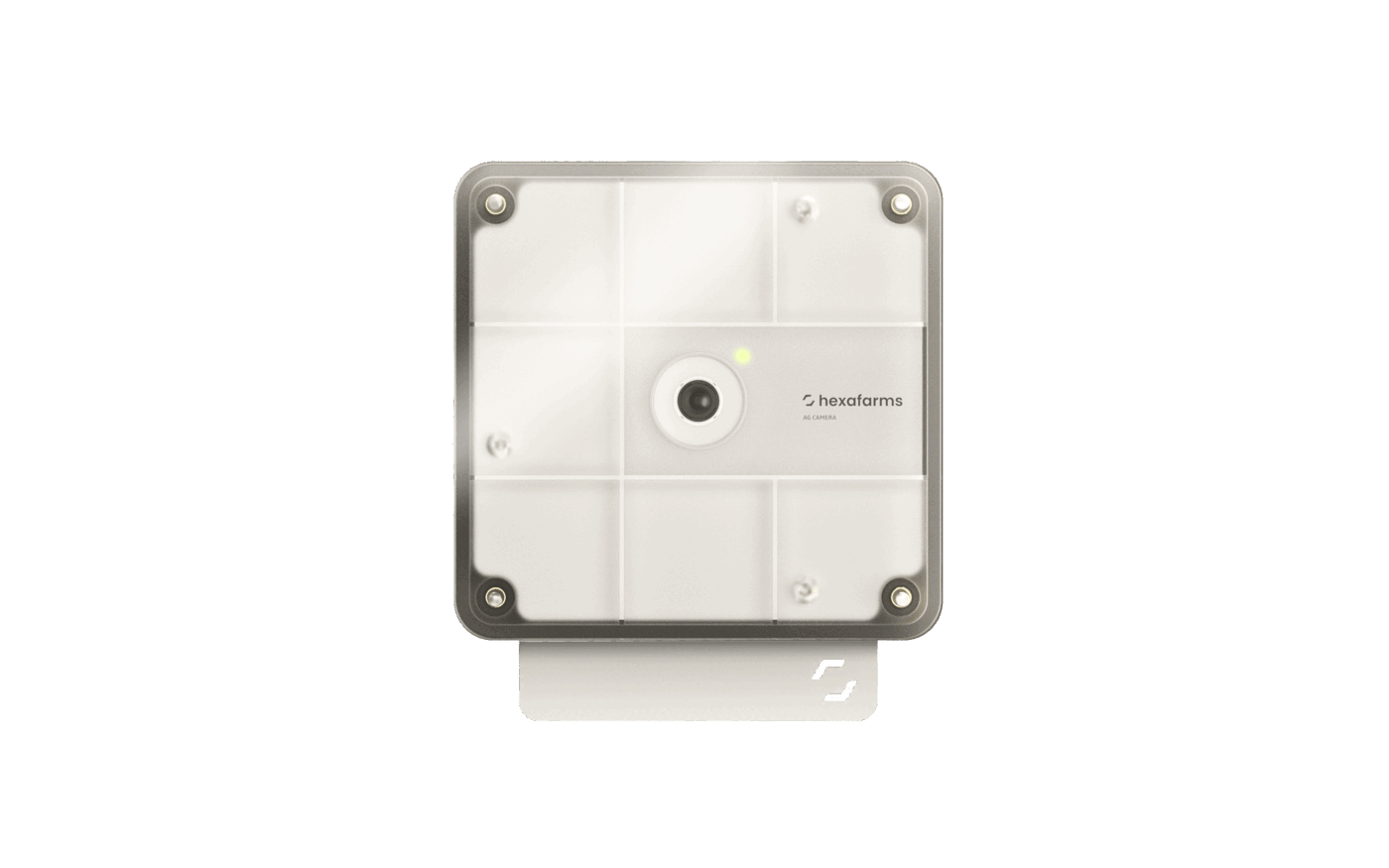
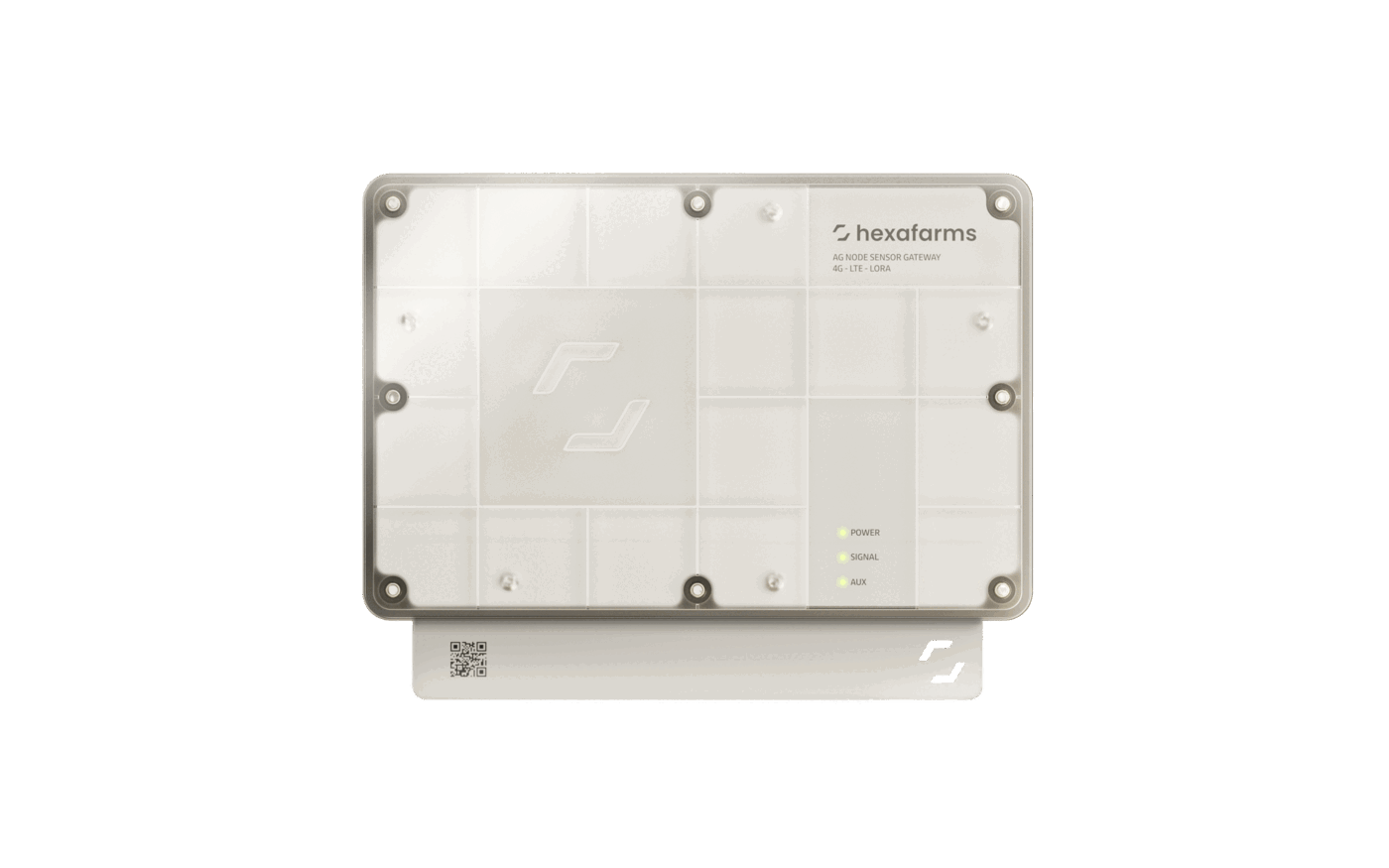
Botrytis risk increases with high humidity, condensation, and prolonged surface wetness. Monitor temperature, RH, dew-point margins, and leaf wetness to identify high-risk periods and guide ventilation and humidity management. Keeping plant surfaces dry and preventing prolonged condensation are key components of effective Botrytis management.