






Tuta absoluta
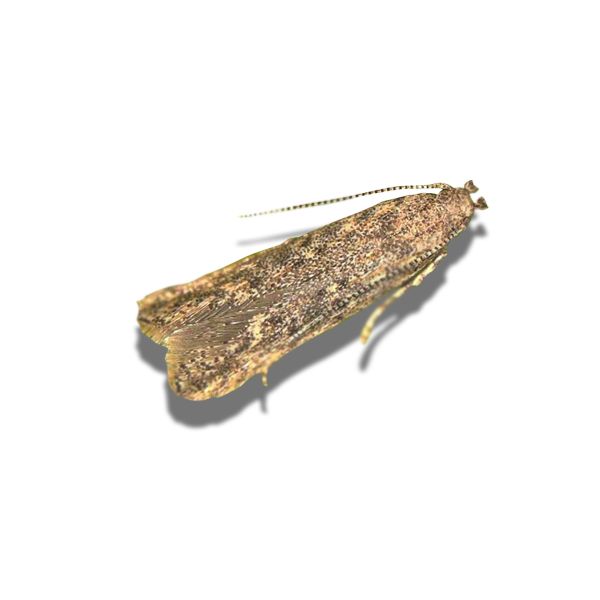
Tuta absoluta is a highly invasive and destructive moth pest originating from South America, now widespread across Europe, Africa, the Middle East, and parts of Asia. Its larvae are the damaging stage, feeding inside leaves, stems, and fruit, creating characteristic mines and galleries. Left unmanaged, it can cause yield losses of 80–100% in tomato crops, making it one of the most economically significant tomato pests worldwide.
Affected crops:
Favorable:
20–27 °C · Moderate
Season:
Late spring to autumn / year round in heated greenhouses and regions with mild winters
Identification & symptoms
- Irregular, translucent mines on leaves caused by larval feeding between leaf surfaces
- Blackish frass (excrement) visible inside mines and near feeding sites
- Larval tunneling in stems, causing wilting and dieback of growing points
- Deep, irregular tunnels/galleries in green and ripening fruit, often near the calyx
- Secondary rot and pathogen entry through fruit tunnels, worsening fruit damage
- Severe infestations cause complete defoliation and collapse of the plant
Life cycle
- Egg: Females lay small eggs mainly on leaves, stems, and other suitable plant surfaces.
- Larva: The larval stage causes the majority of crop damage by mining leaves and entering stems and fruit.
- Pupation: Mature larvae leave feeding sites and pupate, commonly in protected locations on the plant or surrounding substrate.
- Adult: Adults are small nocturnal moths; females release a sex pheromone that attracts males.
- Reproduction: Adults mate and females lay eggs, restarting the cycle.
- Multiple generations: Under favourable conditions, P. absoluta can complete multiple generations within a growing season, allowing populations to increase rapidly.
- Dispersal: Adults can disperse locally, while movement of infested plant material and fruit contributes to longer-distance spread.
- Overwintering: Survival between cropping cycles depends strongly on climate and availability of host plants; protected cultivation can allow populations to persist continuously.
Favorable conditions
- Warm temperatures favour rapid development and population growth.
- Continuous host availability, particularly year-round tomato production, supports continuous reproduction.
- Protected cultivation can provide favourable conditions and shelter from environmental extremes.
- Dense crops provide abundant feeding and oviposition sites.
- Poor removal of infested crop residues and volunteer plants can allow populations to persist between crops.
Diagnosis
- Inspect leaves for irregular mines and blotchy galleries containing larvae or frass.
- Check the lower and upper canopy, particularly young and actively growing foliage.
- Look for entry holes, galleries, and frass on fruit, especially around the calyx and other sheltered areas.
- Open suspicious mines or fruit galleries to look for the larvae.
- Use pheromone traps to detect adult activity and determine when populations are increasing.
- Distinguish from other leaf miners by the larger irregular mines, internal feeding pattern, and characteristic larval/frass presence.
- Confirm uncertain cases by examining larval or adult morphology, or through molecular identification where necessary.
Prevention & treatment
Biological control is a major component of integrated P. absoluta management, using predators, parasitoids, and entomopathogenic microorganisms to suppress eggs, larvae, and adults while reducing dependence on insecticides. Successful programmes particularly rely on conserving or augmenting natural enemies and avoiding insecticides that are highly harmful to beneficial arthropods.
Pros:
- Reduces reliance on synthetic insecticides.
- Helps conserve beneficial arthropods when properly integrated.
- Lower risk of conventional insecticide resistance development.
- Can provide longer-term population suppression when natural enemies establish successfully.
- Entomopathogenic fungi provide an additional biological control mechanism.
Cons:
- Effectiveness can be slower and more variable than chemical control.
- Performance depends on temperature, humidity, crop structure, and natural-enemy establishment.
- Some predators and parasitoids are sensitive to broad-spectrum insecticides.
- Biological control is generally more effective before pest populations become very high.
- Commercial availability and compatibility vary between crops and regions.
Insecticides: Effective products against P. absoluta include compounds from several insecticide groups, such as chlorantraniliprole, spinosad/spinetoram, emamectin benzoate, indoxacarb, abamectin, and Bacillus thuringiensis, subject to local registration. Timing: Applications are most effective when targeted at young larvae before they become protected inside leaf mines or fruit. Resistance management: Rotate insecticides according to their IRAC mode-of-action groups, avoid repeated applications of the same group, and integrate chemical treatments with biological and cultural controls. Targeted application: Because larvae spend much of their time inside plant tissue, timing and adequate penetration/coverage are particularly important. Resistance is a major concern: P. absoluta populations have developed resistance through both target-site mutations and enhanced metabolic detoxification, with resistance documented against multiple insecticide classes.
Pros:
- Can provide rapid population reduction.
- Particularly useful when larval populations exceed economic thresholds.
- Multiple insecticide groups provide options for resistance-management programmes.
- Can protect developing foliage and fruit when correctly timed.
Cons:
- Insecticide resistance is widespread and evolving in P. absoluta populations.
- Repeated use of the same mode of action accelerates resistance selection.
- Broad-spectrum insecticides can harm predators, parasitoids, and pollinators.
- Repeated applications increase cost and environmental exposure.
- Product choice and application timing are restricted by crop registration, residue limits, and pre-harvest intervals.
How we monitor it
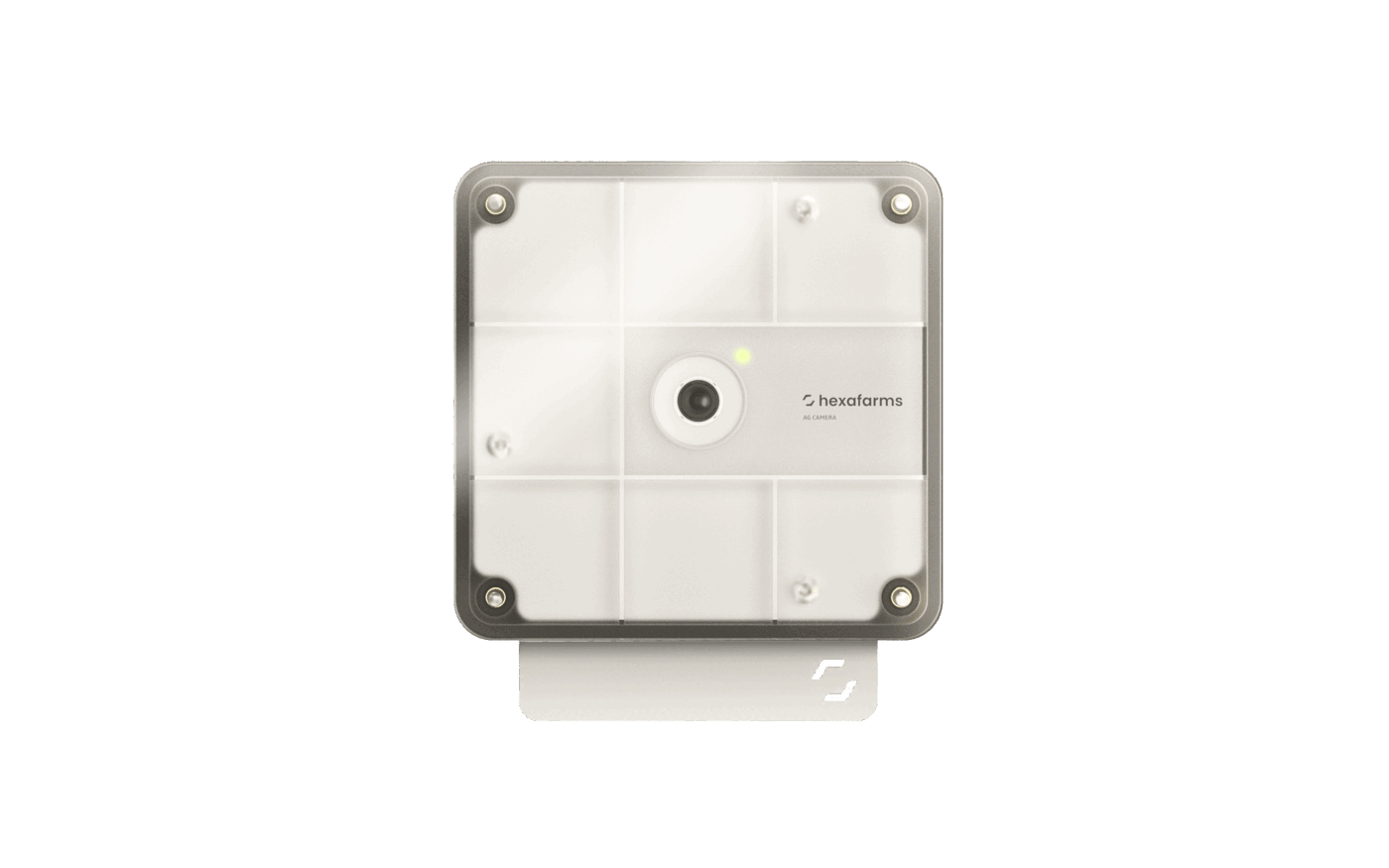
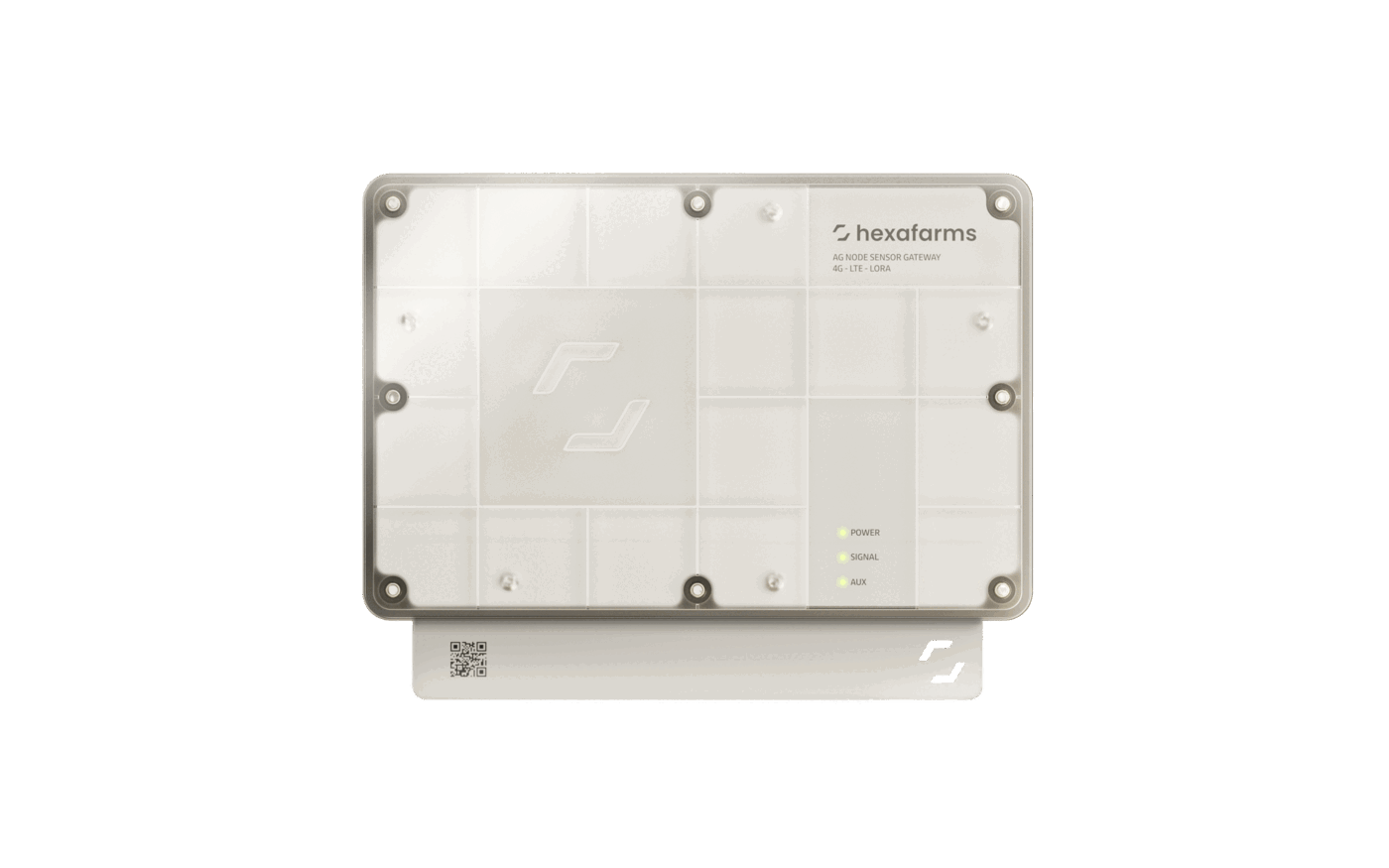
Pheromone trap counts plus canopy imaging catch the first adults before larvae reach the fruit. Pair traps with camera-based detection and act on the trend, not a single day.