Option 01
Manual sampling and handheld meters
Jug-and-meter for drainage. Spot checks for EC and pH. End-of-day climate readings. Fast to set up, familiar to every team member. The gap is always the same: what happened between rounds stays invisible until the next round.
Works well if
-
Crop cycle is short and margins allow for reactive management
-
Team is experienced and consistent in sampling discipline
-
Operation is small enough that weekly rounds cover it
Option 02
Established sensor vendors
Wireless sensors from dedicated agri-tech vendors. Stronger than manual sampling. Most are built around one parameter category, air, or weather stations, or substrate, with dashboards that show what was measured but do not connect to forecasting or disease detection. Often gateway-dependent, with SIM fees that add up.
Works well if
-
You need one parameter covered well and nothing more
-
Your readings currently feel reliable enough to act on
-
You are not planning to add forecasting or pest detection
Option 03
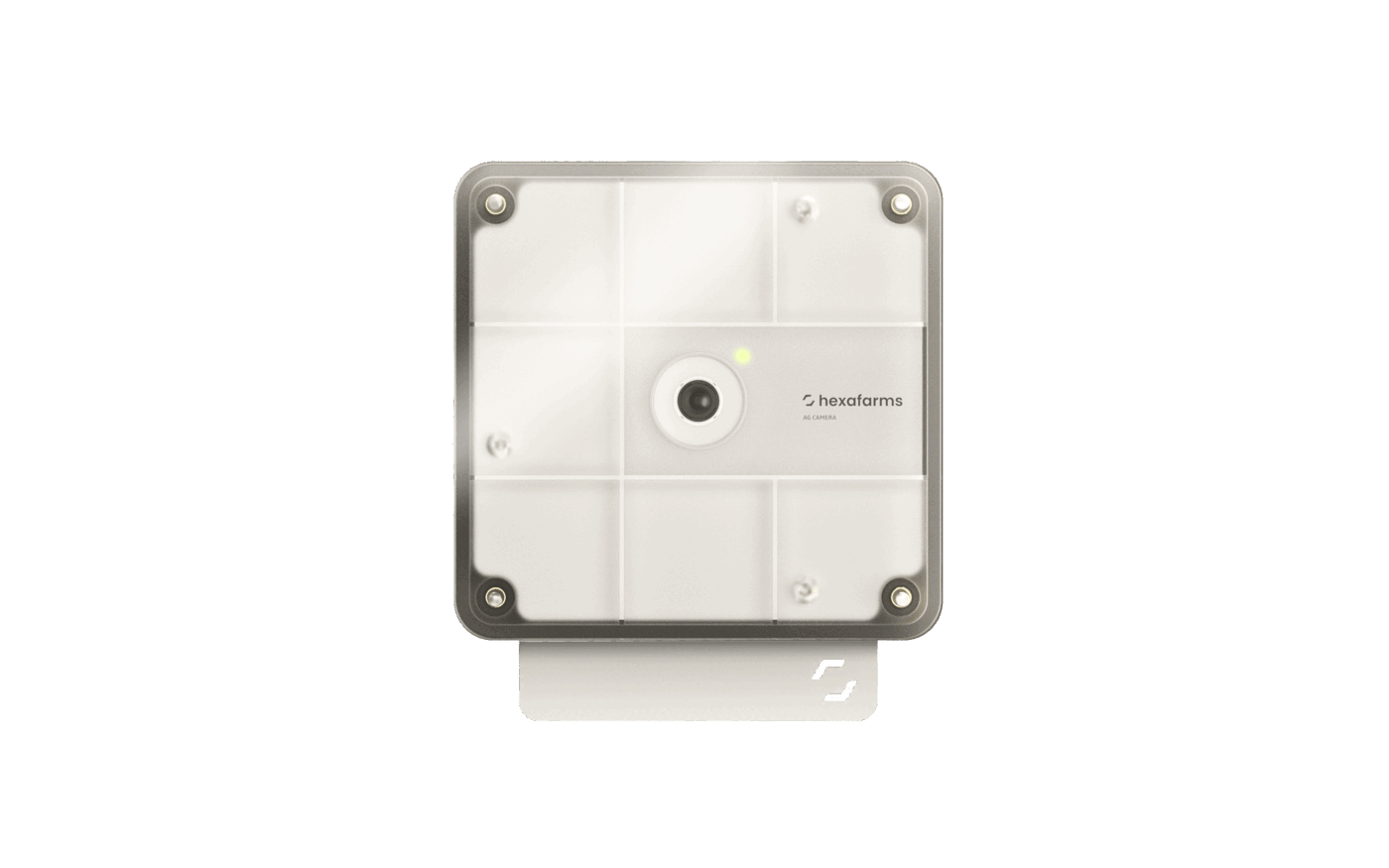
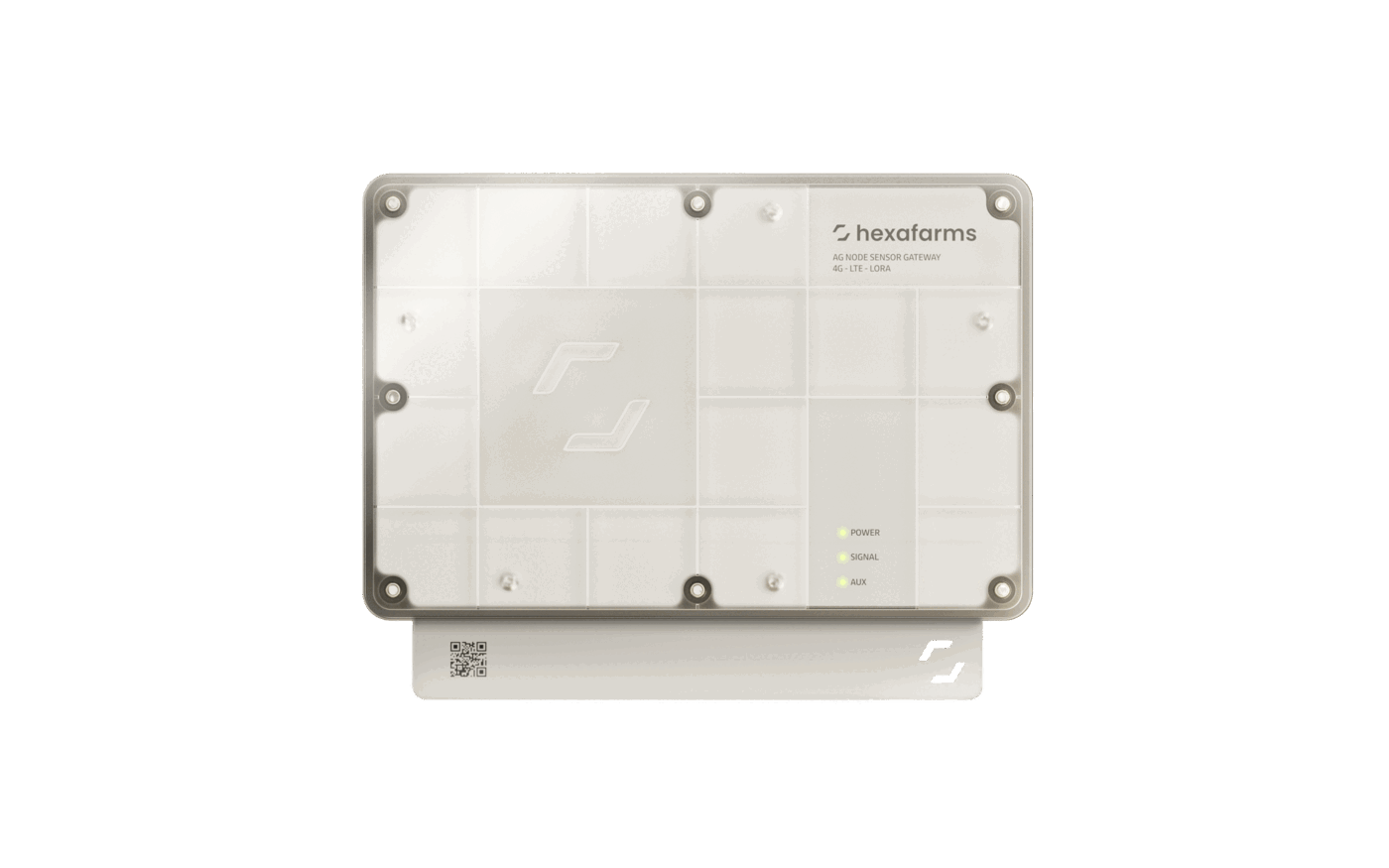
hexafarms Sensing
Part of the hexafarms OS, connects to Forecasting and Pest and disease
Lab-calibrated at ±2%. CO₂ accurate below 400 ppm where most sensors stop working. EC, pH, substrate, flow, PAR, the full fertigation stack, not just air. No gateway, no SIM fees, no CapEx. Engineered and manufactured in Germany. And because sensing is the data layer that makes forecasting and detection work, the data you collect today is already building the model that will make your harvest forecast sharper next season.
Works well if
-
You want precision across air, water, and substrate in one system
-
You are building toward yield forecasting or pest detection
-
Reliable readings and fair OpEx pricing matter at scale