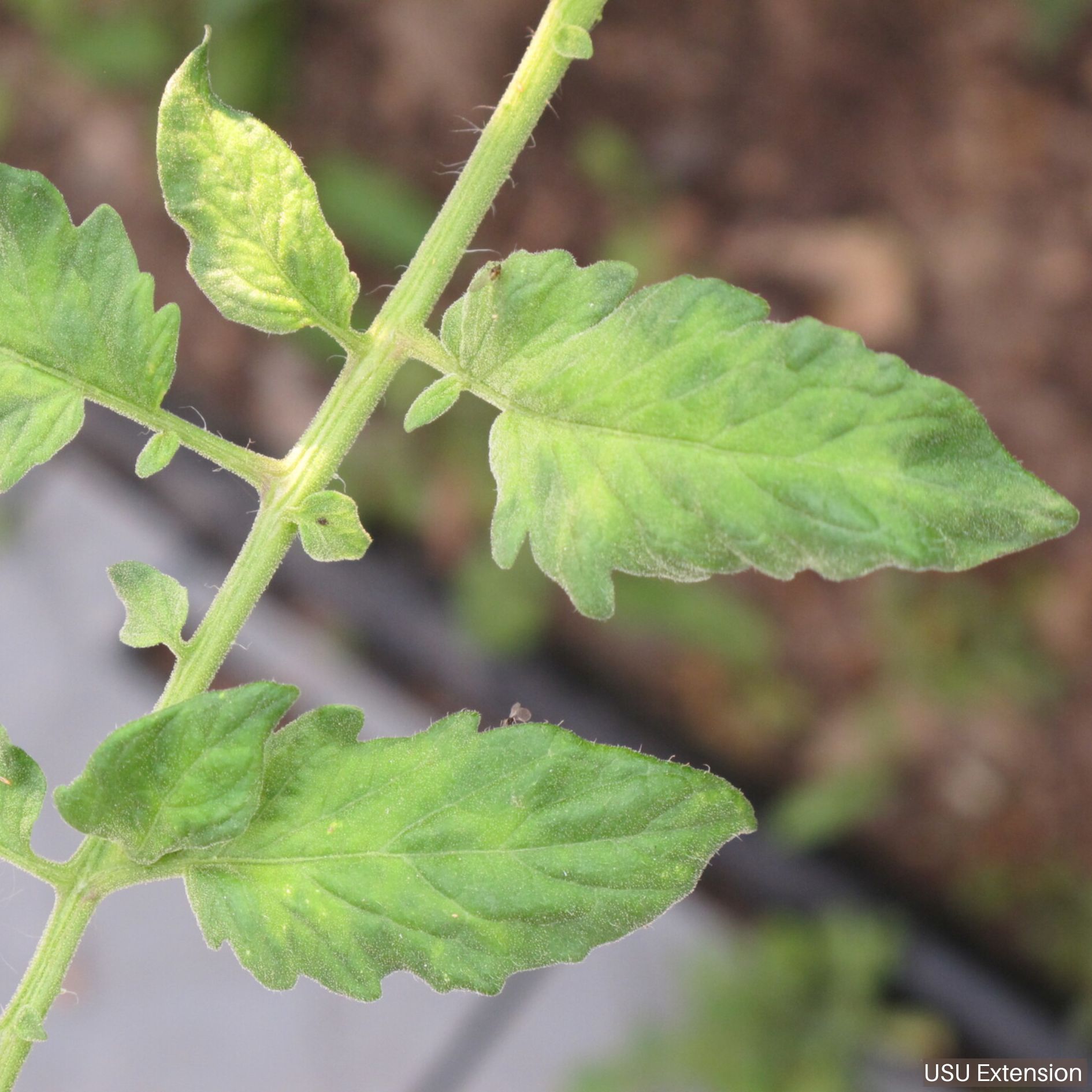








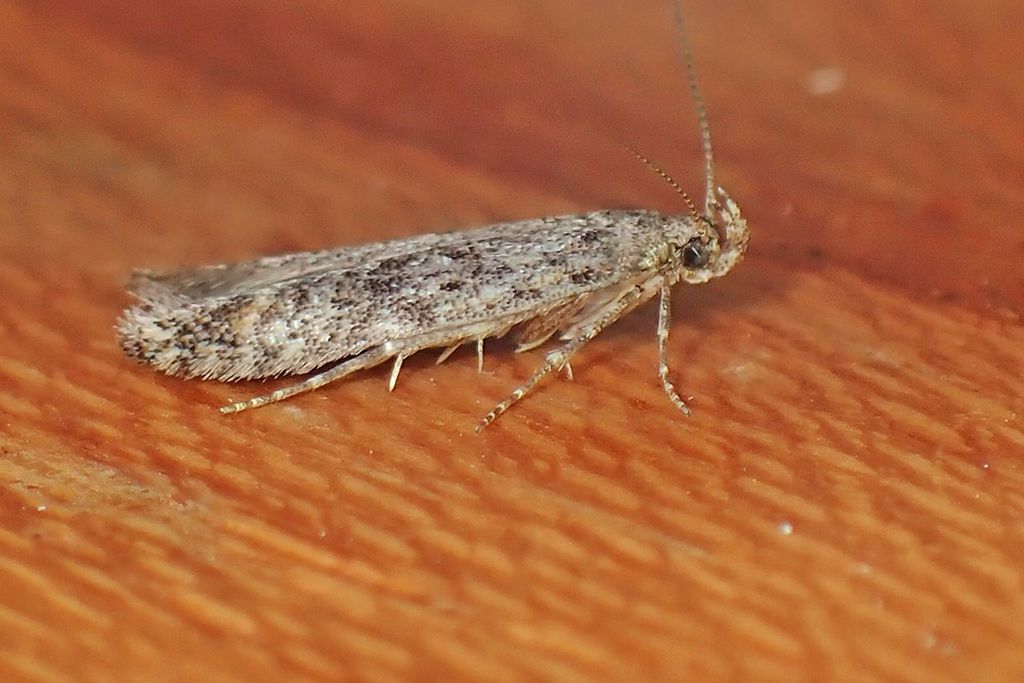
The global tomato industry continues to face a significant challenge from Tuta absoluta, commonly referred to as the South American tomato leaf miner. Since its initial detection in the Mediterranean basin in 2006, this invasive neotropical species has rapidly expanded throughout Europe, Africa, and large parts of Asia. In the absence of effective control strategies, infestations can result in yield losses ranging from 80 to 100 percent, affecting both greenhouse and open-field tomato production systems and posing serious economic and agronomic risks.
A comprehensive and sustainable response to tuta requires an understanding of its biological characteristics, behaviour, and interaction with production environments, as well as the implementation of scientifically validated control methods.
Biology and damage potential of Tuta absoluta
Effective management of Tuta is fundamentally dependent on knowledge of its lifecycle and feeding behaviour. Under favourable conditions, particularly in protected cultivation, the pest exhibits an exceptionally high reproductive capacity, allowing populations to increase rapidly.
The complete developmental cycle of Tuta typically ranges from 29 to 38 days, depending largely on temperature. In greenhouse environments, where climatic conditions remain optimal for extended periods, the insect may produce between 10 and 12 generations annually. The larval stage is responsible for the most severe economic damage. Larvae feed internally on above-ground plant tissues, including leaves, stems, and fruits, making detection and control particularly challenging.
Larval feeding within the mesophyll results in characteristic serpentine galleries that eventually necrotise, leading to reduced photosynthetic capacity and premature leaf senescence. Damage to fruit not only diminishes marketability but also creates entry points for secondary infections by bacterial and fungal pathogens, further exacerbating yield and quality losses.
Limitations of chemical control and the shift toward biotechnical approaches
For many years, chemical insecticides formed the backbone of Tuta control programmes. However, reliance on repeated pesticide applications has proven increasingly ineffective and unsustainable. The cryptic feeding behaviour of larvae limits contact with insecticides, while the species’ high genetic plasticity has led to widespread resistance to multiple active ingredients. In addition to reduced efficacy, excessive pesticide use carries significant environmental risks, disrupts beneficial arthropod populations, and raises concerns regarding residue accumulation and human health.
These limitations have driven a transition toward biotechnical control methods, with pheromone-based systems emerging as a cornerstone of sustainable management strategies. Synthetic analogues of the female sex pheromone, primarily (3E,8Z,11Z)-3,8,11-tetradecatrienyl acetate, are used to attract adult males, enabling precise monitoring of population dynamics and, when deployed at higher densities, direct suppression through mating disruption or mass trapping.
Technical considerations for optimising pheromone trapping
The effectiveness of pheromone-based strategies is highly dependent on correct trap design, lure formulation, and deployment parameters. Delta traps are widely regarded as the standard monitoring tool for Tuta due to their durability, ease of use, and compatibility with sticky inserts. Research has consistently shown that the type of pheromone dispenser plays a critical role in trap performance, with rubber septum lures demonstrating superior attractiveness and more stable pheromone release compared to polymer waxes or vial-based systems.
Trap colour is another factor with a significant influence on capture rates. Although yellow sticky traps are commonly used for monitoring a broad range of pests, studies focusing specifically on Tuta indicate that black-coloured trapping surfaces are substantially more effective at attracting and capturing adult moths. In contrast, yellow surfaces may be considerably less attractive to this species.
Proper placement of traps is essential for intercepting natural flight patterns. Tuta adults typically exhibit low flight activity, and traps positioned at approximately one metre above ground level or slightly above the crop canopy have been shown to maximise capture efficiency. Strategic placement near greenhouse entrances, ventilation openings, and other potential points of entry further enhances early detection and interception of invading populations.
Monitoring versus mass trapping in population management
Pheromone traps may be used either as monitoring tools or as direct control measures, depending on trap density and management objectives. For monitoring purposes, relatively low trap densities are sufficient to provide early warning of pest presence and to track population trends over time. Regular monitoring enables the identification of critical population thresholds beyond which economic damage becomes likely.
When used for mass trapping, significantly higher trap densities are required to reduce male populations and disrupt reproduction. Field and greenhouse studies have demonstrated that high-density trapping systems can substantially reduce leaf damage and pest pressure, in some cases achieving levels of control comparable to or exceeding those obtained through conventional insecticide programmes.
Integration Within an IPM Framework
Pheromone-based trapping achieves its greatest effectiveness when integrated into a broader Integrated Pest Management framework. Biological control agents play a key role in this approach. Predatory mirid bugs such as Macrolophus pygmaeus are effective consumers of Tuta eggs and larvae, contributing to population suppression throughout the crop cycle. Microbial control agents, including entomopathogenic fungi and bacterial products such as Bacillus thuringiensis, can be applied selectively to target larval stages while preserving beneficial arthropod communities and avoiding chemical residues.
The compatibility of pheromone trapping with biological control measures makes it particularly suitable for sustainable production systems where ecological balance and long-term pest suppression are priorities.
Maintenance, sanitation, and post-harvest considerations
The success of pheromone-based systems depends on consistent maintenance and sanitation practices. Pheromone lures must be replaced every four to six weeks to ensure adequate emission rates, while sticky inserts should be renewed once saturated with insects or debris. Trapping should not be discontinued immediately after harvest, as adult moths may continue to emerge from crop residues and soil, posing a risk to subsequent plantings.
Effective sanitation, including the removal and destruction of crop residues and surrounding weeds, is essential to eliminate alternative hosts and reduce carry-over populations between production cycles.
Conclusion
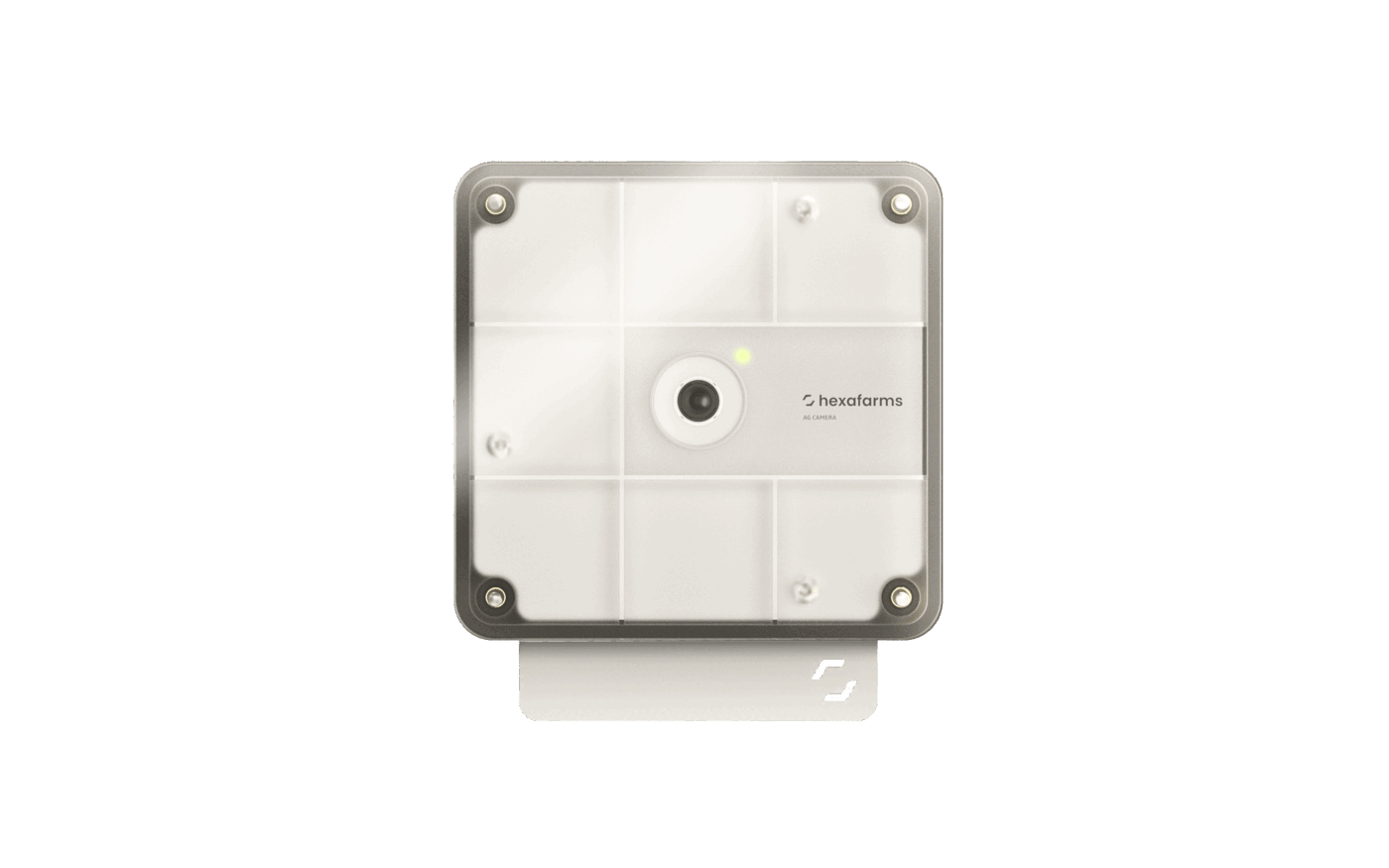
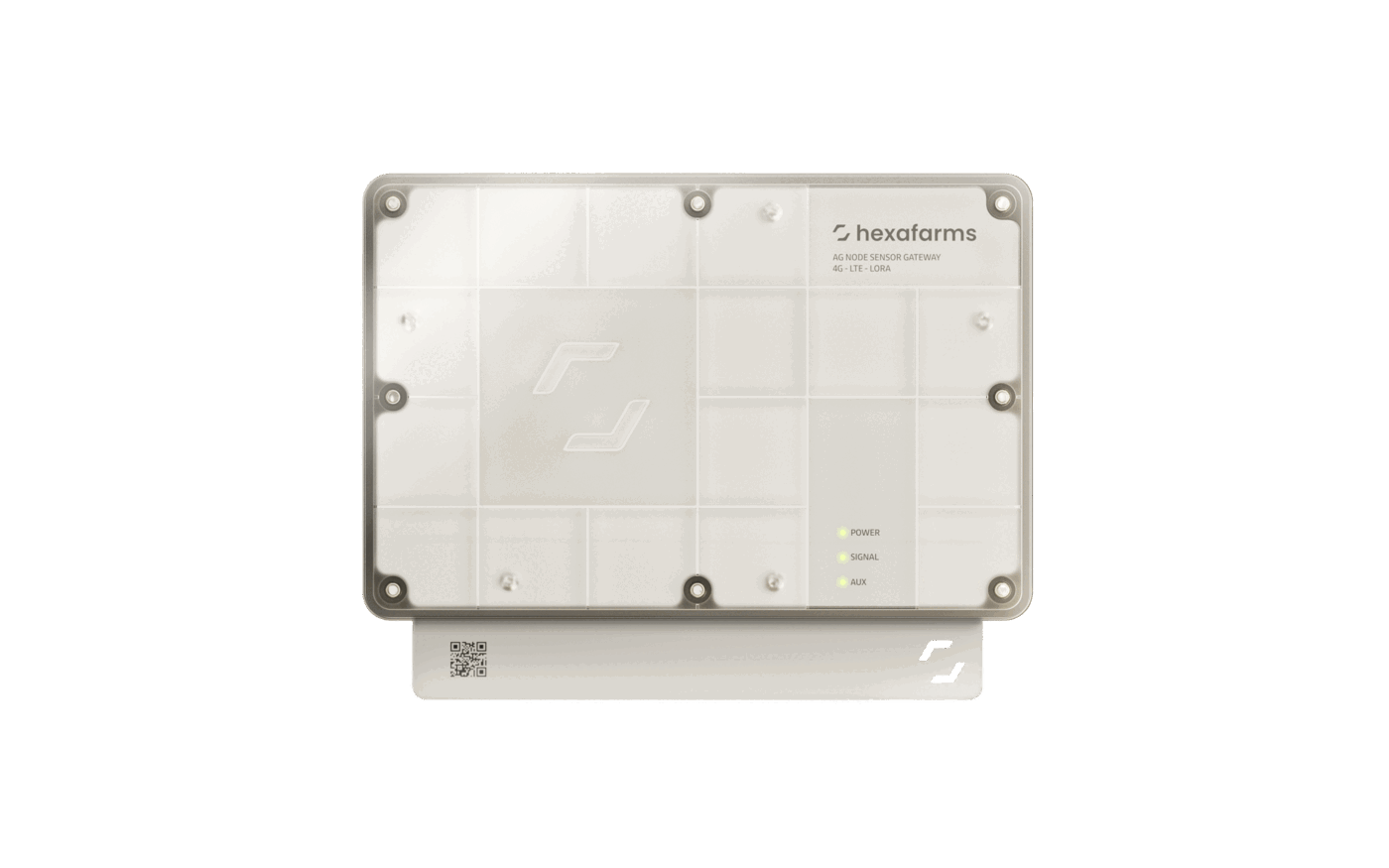
To manage Tuta effectively, best practice involves the deployment of black Delta traps for monitoring or black water pan traps for mass trapping, as black-coloured surfaces have consistently proven more attractive than other colours for capturing adult moths. These traps should be equipped with rubber septum pheromone lures, ideally superdosed with 0.8 mg of active ingredient in high-pressure environments, and positioned at a height of approximately one metre or just above the crop canopy. For maximum efficacy, lures must be renewed every four to six weeks, and trapping should be maintained during the post-harvest period to capture males emerging from drying plants and soil. Integrating these biotechnical systems with biological control measures, such as Bacillus thuringiensis, forms a robust Integrated Pest Management strategy that supports sustainable, residue-free tomato production. Furthermore, large-scale agricultural operations may further enhance precision and reduce labour demands through the adoption of automated smart traps incorporating artificial intelligence and remote sensing technologies to deliver real-time population data.
References
- Becker, M. and Yeow, K. (2024). An Automated Monitoring System for Controlled Greenhouse Horticulture. FG Human Computer Interaction, Leibniz University Hannover.
- Bellatreche, M., Messgo-Moumene, S., Guendouz-Benrima, A., and Chaieb, I. (2021). Control of Tuta absoluta using pheromone traps on tomato crops under greenhouse in Algeria. Tunisian Journal of Plant Protection, 16(1), pp. 1-10,,.
- Böckmann, E. (2015). Combined monitoring of pest and beneficial insects with sticky traps, as basis for decision making in greenhouse pest control - a proof of concept study. [Doctoral Thesis, Leibniz Universität Hannover].
- Böckmann, E., Hommes, M., and Meyhöfer, R. (2015). Yellow traps reloaded: What is the benefit for decision making in practice? Journal of Pest Science, 88(2), pp. 439-449,.
- Braham, M. (2014). Is mass trapping technique useful for the Control of the Tomato Leafminer, Tuta absoluta (Lepidoptera: Gelechiidae)? Greener Journal of Agronomy, Forestry and Horticulture, 2(3), pp. 44-61,.
- Braham, M. (2014). Role of trap colors and exposure time of pheromone on trapping efficacy of males of the tomato leafminer, Tuta absoluta (Meyrick, 1917) (Lepidoptera: Gelechiidae). African Journal of Agricultural Research, 9(29), pp. 2263-2271,.
- Caparros Megido, R., Haubruge, E., and Verheggen, F. J. (2013). Pheromone-based management strategies to control the tomato leafminer, Tuta absoluta (Lepidoptera: Gelechiidae). A review. Biotechnol. Agron. Soc. Environ., 17(3), pp. 475-482,.
- Cherif, A., Harbaoui, K., Zappalà, L., and Grissa-Lebdi, K. (2017). Efficacy of mass trapping and insecticides to control Tuta absoluta in Tunisia. Journal of Plant Diseases and Protection, 125, pp. 51-61,.
- Coelho, P. S., Naves, P., and Carranca, C. (2024). Use of Traps to Monitor the Tomato Leaf Miner Moth Attack in a West Portugal Greenhouse. Agri Res & Tech: Open Access J., 28(4), 556420,,.
- Collavino, M. D. and Giménez, R. A. (2008). Efficacy of imidacloprid to control the tomato borer (Tuta absoluta Meyrick). Idesia (Chile), 26(1), pp. 65-72,.
- Desneux, N., Wajnberg, E., Wyckhuys, K., and Urbaneja, A. (2010). Biological invasion of European tomato crops by Tuta absoluta: Ecology, geographic expansion and prospects for biological control. Journal of Pest Science, 83, pp. 197-215,.
- Dreistadt, S. H., Newman, J. P., and Robb, K. L. (1998). Sticky Trap Monitoring of Insect Pests. University of California: Division of Agriculture and Natural Resources, Publication 21572,.
- Ettaib, R., Belkadhi, M. S., Ben Belgacem, A., Aoun, F., Verheggen, F., and Caparros Megido, R. (2016). Effectiveness of pheromone traps against Tuta absoluta. Journal of Entomology and Zoology Studies, 4(6), pp. 841-844,.
- Hammer, O., Harper, D. A. T., and Ryan, P. D. (2001). PAST: Paleontological Statistics Software Package for Education and Data Analysis. Paleontologia Electronica, 4(1), pp. 1-9,.
- Leite, G. L. D., Picanço, M., Jham, G. N., and Marquini, F. (2004). Intensity of Tuta absoluta (Meyrick, 1917) (Lepidoptera: Gelechiidae) and Liriomyza spp. (Diptera: Agromyzidae) attacks on Lycopersicum esculentum Mill. Leaves. Ciênc. Agrotec., 28(1), pp. 42-48,.
- Lobos, E., Occhionero, M., Werenitzky, D., and Oehlschlager, C. (2013). Optimization of a Trap for Tuta absoluta Meyrick (Lepidoptera: Gelechiidae) and Trials to Determine the Effectiveness of Mass Trapping. Neotropical Entomology, 42(5), pp. 448-457,.
- Mahanta, D. K., Komal, J., and Sai Teja, K. S. (2022). Different Types of Insect Traps for Different Insects. ResearchGate Article,.
- Mgembe, E. R. (2023). Report on the Use of Traps in Controlling Sucking and Chewing Pests in Tomatoes and Okra. Sustainable Agriculture Tanzania (SAT) and Ecological Organic Agriculture (EOA).
- Michereff-Filho, M., Vilela, E., Attygalle, A. B., and Jham, G. N. (2000). Field Trapping of Tomato Moth, Tuta absoluta with Pheromone Traps. Journal of Chemical Ecology, 26(4), pp. 875-881,.
- Muradashvili, E., Burjanadze, M., Tkebuchava, Z., and Usmani, S. (2025). Potential of Pheromone and Yellow Stick Traps for Management of Tuta absoluta (Povolny) (Lepidoptera: Gelechiidae) in Field and Greenhouses. Bulletin of the Georgian National Academy of Sciences, 19(2),.
- Rebek, E. J. and Schnelle, M. A. (n.d.). Arthropod Pest Management in Greenhouses and Interiorscapes. Oklahoma Cooperative Extension Service, E-1011.
- Rice Mahr, S. E., Cloyd, R. A., Mahr, D. L., and Sadof, C. S. (2001). Biological control of insects and other pests of greenhouse crops. North Central Regional Publication 581,.
- Sadique, M., Ishtiaq, M., et al. (2025). Comparison of Pheromone Lures and Sticky Pad Color for Capturing Tuta absoluta (Lepidoptera: Gelechiidae). Insects, 16(1), 94,.