







Pests and diseases library
Know the threat before it costs you a crop.
Identification, life cycle, and the conditions that trigger each pest and disease — with biological and chemical control side by side, and the modules that catch them early.
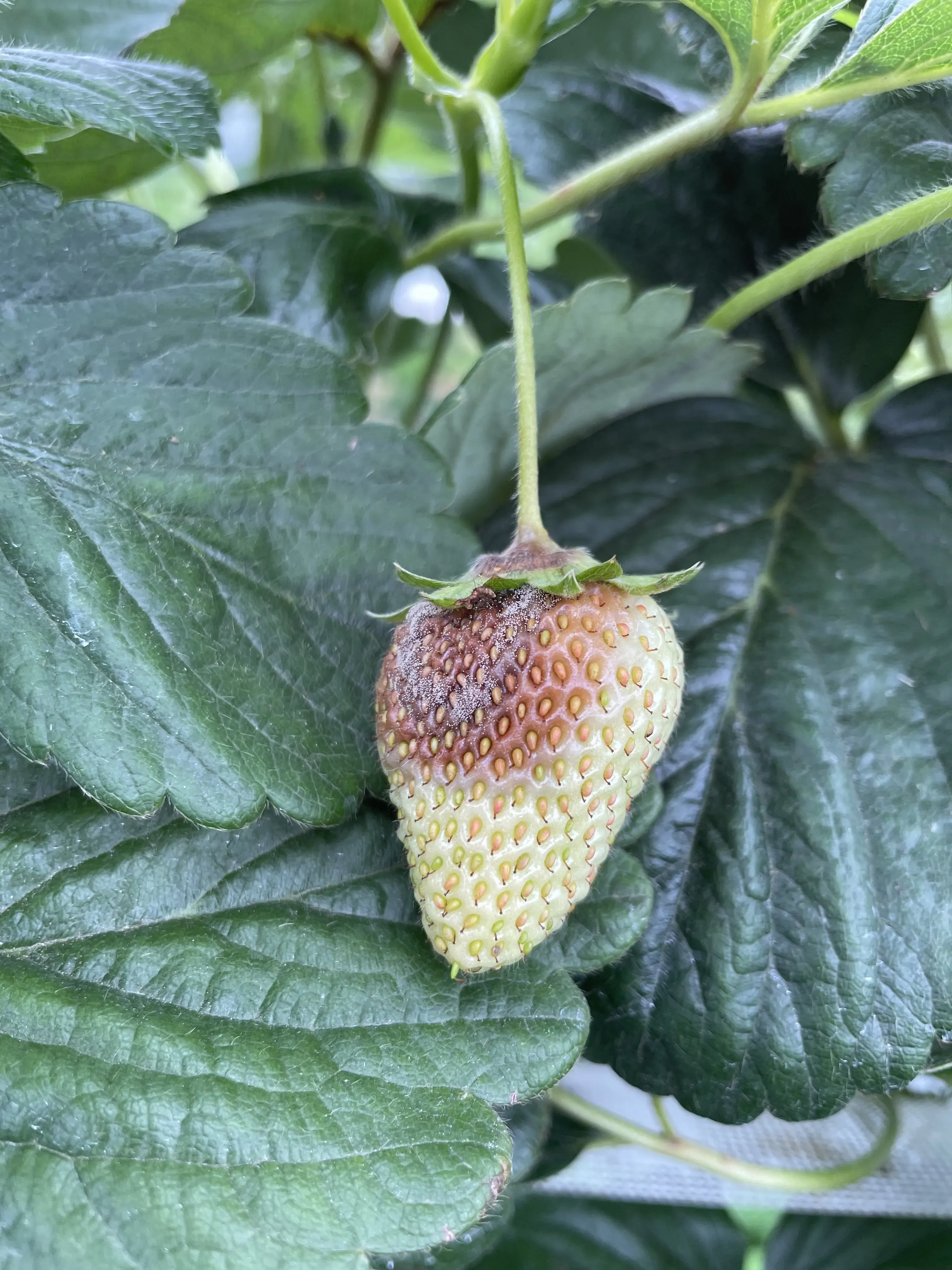
Botrytis
Botrytis cinerea is a destructive necrotrophic fungus responsible for gray mold (Botrytis blight) across more than 1,400 plant species, affecting a wide range of economically important fruits, vegetables, and ornamental crops.
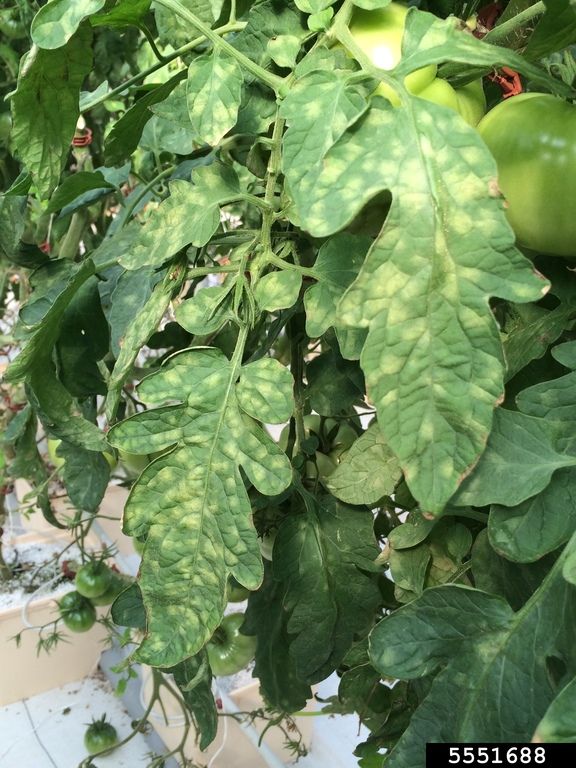
Leaf mold
Tomato leaf mold is a fungal foliar disease that primarily affects greenhouse and high-tunnel tomato crops, though it can occur in humid field conditions as well. It is caused by the fungus Fulvia fulva, which infects leaves, and occasionally stems, flowers, and fruit, leading to reduced photosynthetic capacity, defoliation, and yield loss. The disease thrives in enclosed, poorly ventilated environments where humidity remains high for extended periods.
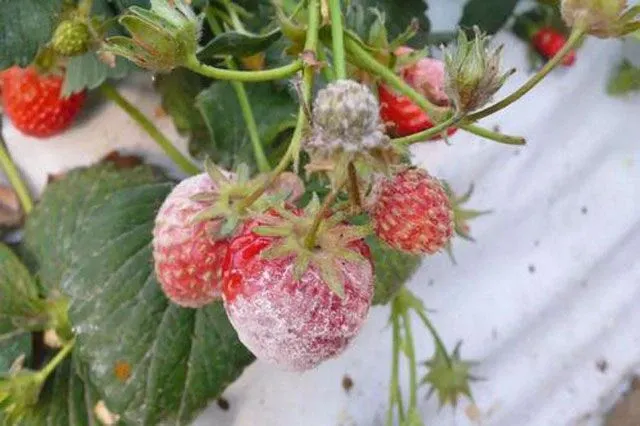
Powdery mildew
Powdery mildew is a widespread group of obligate biotrophic fungal diseases affecting hundreds of plant species, including crops, ornamentals, and wild plants. The fungi grow primarily on plant surfaces and obtain nutrients through specialised structures called haustoria. They produce characteristic white, powdery colonies containing abundant conidia. Unlike many foliar pathogens, powdery mildews generally do not require free water for infection and often develop under warm conditions with high humidity but relatively dry leaf surfaces.